


Last Day on Earth: Survival
4.4177.35K Reviews
App Specs
- Version
- 1.51.1
- Updated On
- License
- Free
- Downloads
- 100,000,000+
- Developer
- KEFIR
- Categories
- Action
- Platform
- Android, iOS
Screenshots


 Analysis by AppCompare
My most useful way to think about Last Day on Earth: Survival is as a planning game disguised as a zombie adventure. The central challenge is not simply fighting what comes at you; it is deciding what to carry, what to make, and when to turn back. That rhythm gives ordinary resource gathering a purpose, and it is the part I would want a friend to understand before installing it.
It is a free action game from KEFIR, rated Teen, and it has a 4.4 average from around 4.7 million ratings, with over 100 million installs. Those figures point to a widely played game, but they do not tell you whether its steady survival routine will suit you. I found that the answer depends less on how much you like zombies and more on whether you enjoy preparing for a trip before the action starts.
Why preparation matters more than rushing
The game’s appeal comes from linking several small decisions. Resources gathered away from home can become tools, equipment, or improvements to your shelter, so a trip is not just a detour for loot. It feeds the next round of preparation. I like that loop because it makes a modest haul feel useful, even when an outing does not end with a dramatic fight or a rare discovery.
Guides and Analysis on Last Day on Earth: Survival
That structure also makes it easy to misjudge what a good session looks like. If you expect constant combat and immediate rewards, gathering can feel like busywork. I got more out of it by treating each excursion as a practical errand: decide what I need, take enough supplies to stay safe, and return before a manageable trip becomes an avoidable risk. Planning your return is as important as choosing where to go.
A useful routine for short sessions
For a quick play session, I would start by checking what the shelter needs rather than wandering without a goal. If a basic tool or a small improvement is within reach, gather toward that specific target and bring back only what supports it. This helps keep the crafting side from turning into an endless list of things you might make someday. It also gives you a natural stopping point: finish the errand, put the supplies to use, and leave the next trip for another time.
When I have longer to play, I can spend that time weighing a more ambitious outing against the cost of being poorly prepared. The difference matters because survival needs do not disappear just because a location looks promising. Before leaving, I would check health and supplies, make sure the kit fits the purpose of the trip, and avoid filling every available space with low-priority materials. That last choice can be frustrating when resources are scarce, but carrying a clear plan is more useful than hauling back a collection of things that do not solve an immediate problem.
Where it sits among survival games
Compared with a more direct action game, this one asks for patience between confrontations. A shooter built around continuous combat is a better match if you want to jump straight into fights and measure progress mainly by how quickly you defeat opponents. Here, the shelter and crafting give exploration a longer tail: what you collect today can shape what you are able to do later. I find that more satisfying when I want a continuing project, though less appealing when I only have the mood for fast action.
Worth Reading Before You Choose

ESPN’s Live Game View Makes Following Close Games Easier

QuizzLand Review: A Good Fit for Short Trivia Breaks, Not Every Player

Basketball Stars: Multiplayer Is Fast, but Can It Recover When Matches Go Wrong?

WEBTOON Turns Phone Updates Into a Better Reading Routine

Link to Windows Runs on Shared Habits, Not Social Feeds

How Alibaba.com Dominates the B2B Marketplace
It also differs from a relaxed building game. Building is not just a decorative pastime; choices about shelter and resource production sit alongside the danger of going out into the world. That tension gives the base a practical role, but it means players who want a calm, uninterrupted creative sandbox may find the survival pressure unwelcome. The game is at its best for me when I enjoy both sides: making a home more useful and accepting that leaving it involves risk.
Who should take a closer look
I would recommend trying it if you like survival games where a small improvement feels earned, and if you are comfortable repeating a useful routine rather than being rewarded with a major event every few minutes. It can work for a short daily visit when you have one clear task, and it has room for longer sessions when you want to explore and reassess your plans. The game is less suited to someone who dislikes resource management, wants a purely story-led adventure, or gets annoyed when progress depends on preparing before taking risks.
The current version is 1.45.0, and the game runs on Android 7.0 or later. It is free to start, with in-app purchases ranging from $0.49 to $199.99 per item. I would keep the purchase range in mind before playing, especially if optional spending can tempt you when a resource run goes badly. I would first see whether the basic cycle is enjoyable without paying: gathering, crafting, improving the shelter, and choosing another trip. If that loop does not click, spending is unlikely to fix the mismatch.
The First Steps: Getting Started
When I first launched Last Day on Earth: Survival, I was immediately drawn in by its immersive graphics and eerie soundtrack. The game kicks off with you, the protagonist, waking up in the middle of nowhere, with nothing but your wits to guide you. The tutorial was smooth and straightforward, helping me grasp the basics of survival in this post-apocalyptic world.
Right from the beginning, the game demands your attention. You're tasked with gathering essential resources like wood, stone, and food. Trust me, the initial scramble to craft basic tools and build a shelter kept me on my toes. There’s a real sense of urgency, which makes every decision feel consequential. It’s survival of the fittest out there!
Crafting and Building: Your New Best Friends
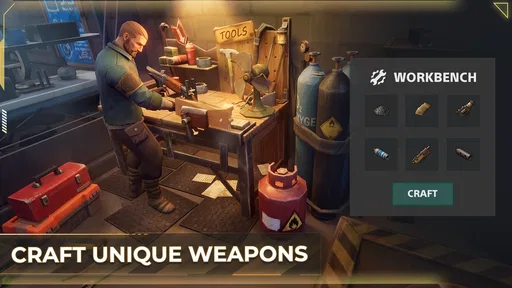
One of my favorite aspects of the game is the crafting system. It's incredibly detailed, allowing you to create everything from simple tools to complex machinery. The feeling of satisfaction when you finally build that crucial workbench or a reliable weapon is second to none.
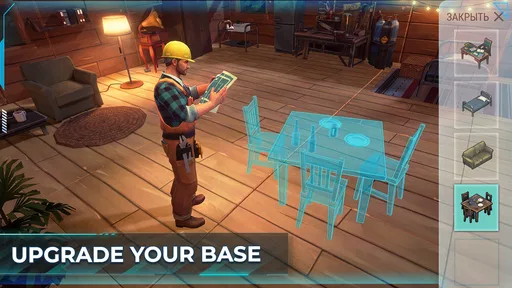
Building a secure base is another vital element. I spent hours meticulously planning and fortifying my shelter. The game cleverly incorporates a strategic layer here—do you focus on building a strong defense, or do you invest in expanding your resource production? Every choice affects your survival odds, and I found this depth captivating.
Exploration: A World Full of Danger
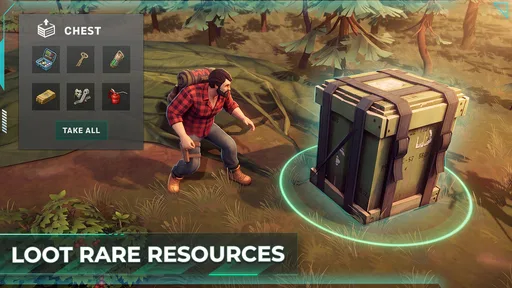
Once your base is up and running, it’s time to venture out. The world of Last Day on Earth: Survival is vast and filled with both danger and opportunity. You’ll encounter various zones, each with unique resources and challenges. The thrill of exploring an abandoned military base or scavenging through a forest never gets old.
But beware! Zombies aren’t your only concern. Other players roam this world too, and some might not be as friendly. It adds a layer of unpredictability, making every excursion a strategic gamble. Whether you choose to collaborate or compete with fellow survivors can drastically alter your game experience.
Survival Mechanics: Keep an Eye on Everything
In true survival fashion, the game requires you to monitor your health, hunger, and thirst levels constantly. At first, I found this a bit overwhelming, but it quickly became second nature. Managing these aspects is crucial, especially when you're deep in an unexplored zone far from your base.
There's a rewarding sense of realism here. The game challenges you to think ahead, plan your trips carefully, and ensure you’re adequately equipped. Forgetting to pack enough food or water can lead to dire consequences, as I learned the hard way!
Community and Events: Not Alone After All
One of the surprising elements of the game is its vibrant community. Regular in-game events and updates keep the gameplay fresh and engaging. I found myself looking forward to these events, as they often come with unique rewards and challenges.
Connecting with other players can be incredibly rewarding. Whether it’s trading resources or joining a clan, these interactions add an enriching social dimension to the game. It’s comforting to know that even in a world filled with zombies, you’re not entirely alone.
In conclusion, Last Day on Earth: Survival is a thrilling blend of strategy, exploration, and sheer survival instinct. Its detailed crafting system, realistic survival mechanics, and interactive world kept me hooked for hours on end. Whether you’re a solo player or someone who enjoys a bit of community interaction, this game offers something for everyone. So, if you're ready to test your survival skills and immerse yourself in a gripping post-apocalyptic adventure, give it a try. Just remember, in this world, every day could be your last!
Pros
- Immersive gameplay with realistic survival mechanics.
- Frequent updates keep the game fresh and engaging.
- Multiplayer mode adds social interaction and strategy.
- Diverse crafting system for a rich gaming experience.
- Visually appealing graphics enhance gameplay immersion.
Cons
- Requires consistent internet connection to play.
- In-app purchases can be costly for full experience.
- Steep learning curve for new players.
- Energy system limits continuous playtime.
- Occasional bugs can interrupt gameplay.
FAQs for Last Day on Earth: Survival
What is the main objective of Last Day on Earth: Survival?
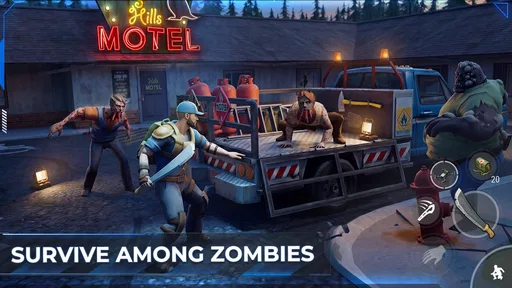
Last Day on Earth: Survival is a post-apocalyptic survival game where the primary objective is to stay alive amidst zombies and other dangers. Players must gather resources, build shelter, craft weapons, and fend off both undead and human enemies. The game's open world environment provides freedom to explore as you strive to survive.
Is Last Day on Earth: Survival free to play?
Yes, Last Day on Earth: Survival is free to download and play on both Android and iOS platforms. However, the game includes in-app purchases for items and resources that can enhance gameplay. While purchases can speed up progress, they are not necessary to enjoy the full experience of the game.
What are the system requirements for the game?
For Android, Last Day on Earth: Survival requires OS version 5.0 or higher and at least 2GB of RAM for optimal performance. For iOS, the game is compatible with devices running iOS 9.0 or later. Ensuring your device meets these specifications will provide a smoother gameplay experience without crashes or lag.
How does multiplayer work in Last Day on Earth: Survival?
Last Day on Earth: Survival offers a multiplayer mode where players can connect with friends or other online players. You can form clans, trade resources, and collaborate on various tasks or battles. This feature adds a social dimension to the game, allowing players to strategize and survive together.
Are there any tips for beginners starting the game?
For beginners, it's crucial to focus on gathering resources like wood, stone, and food initially. Building a basic shelter should be a priority, along with crafting essential tools and weapons. Exploring cautiously and avoiding unnecessary confrontations will help in understanding the game mechanics and ensuring survival in the early stages.


